SUPERJACK
A standard deck. An unfair amount of strategy.
A deep two-player duel hiding inside the 52 cards you already own — and, it turns out, a game your code can play. If your bot can pick a move from a list, it can sit down at the table. Here's two we built. Then build your own.
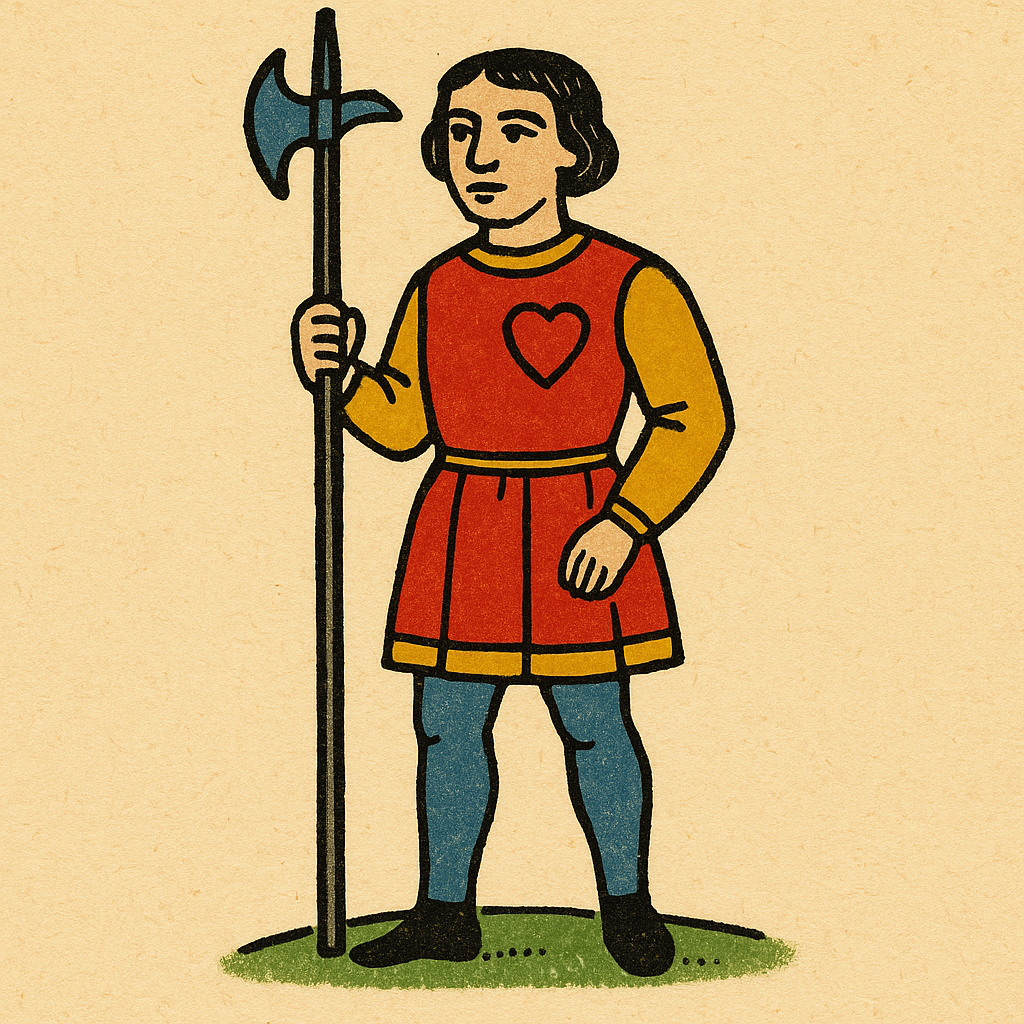
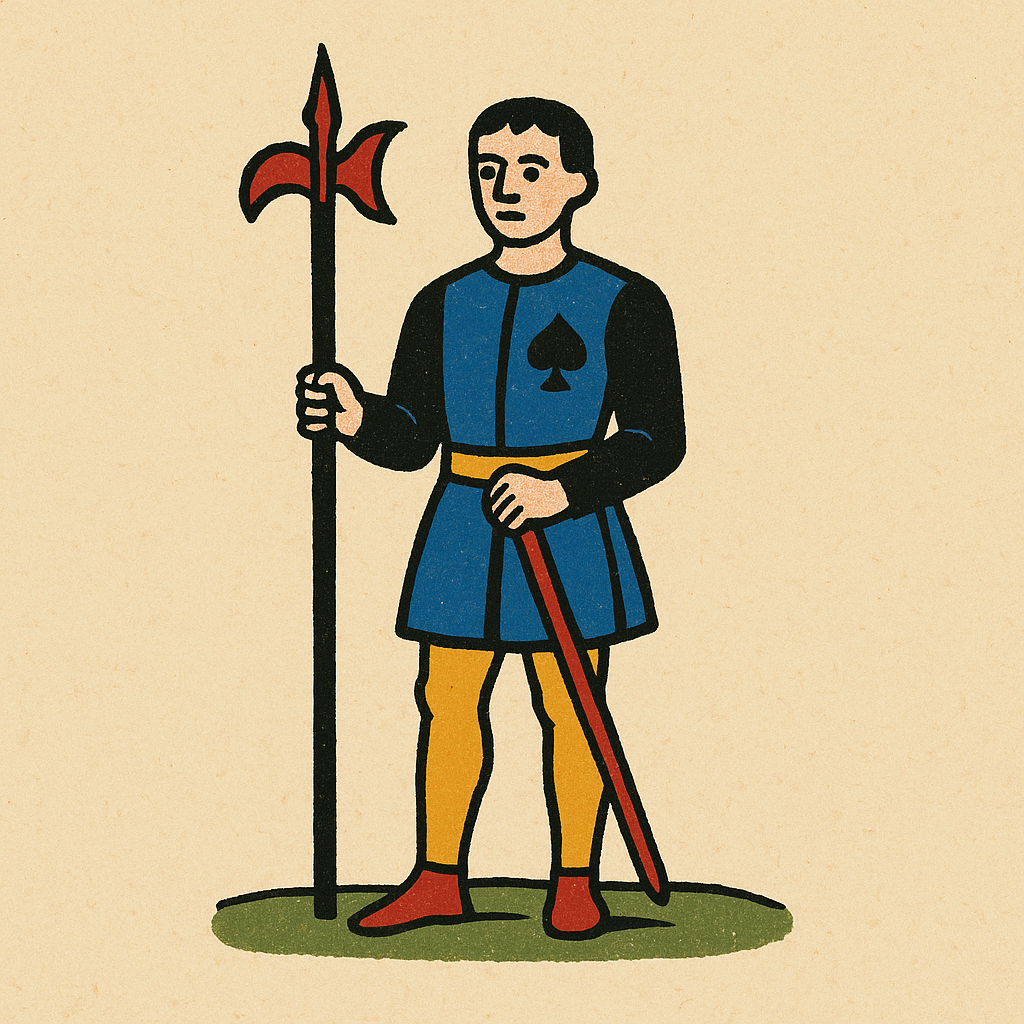
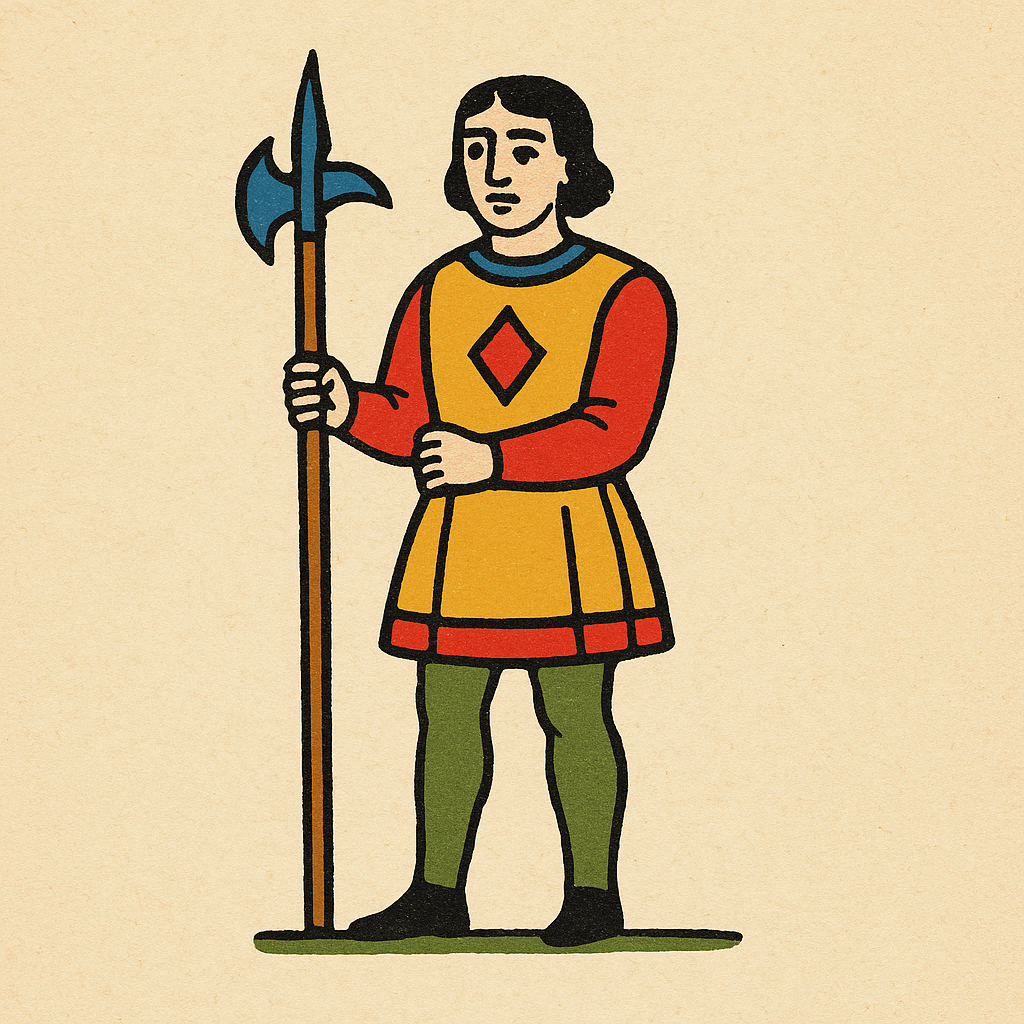
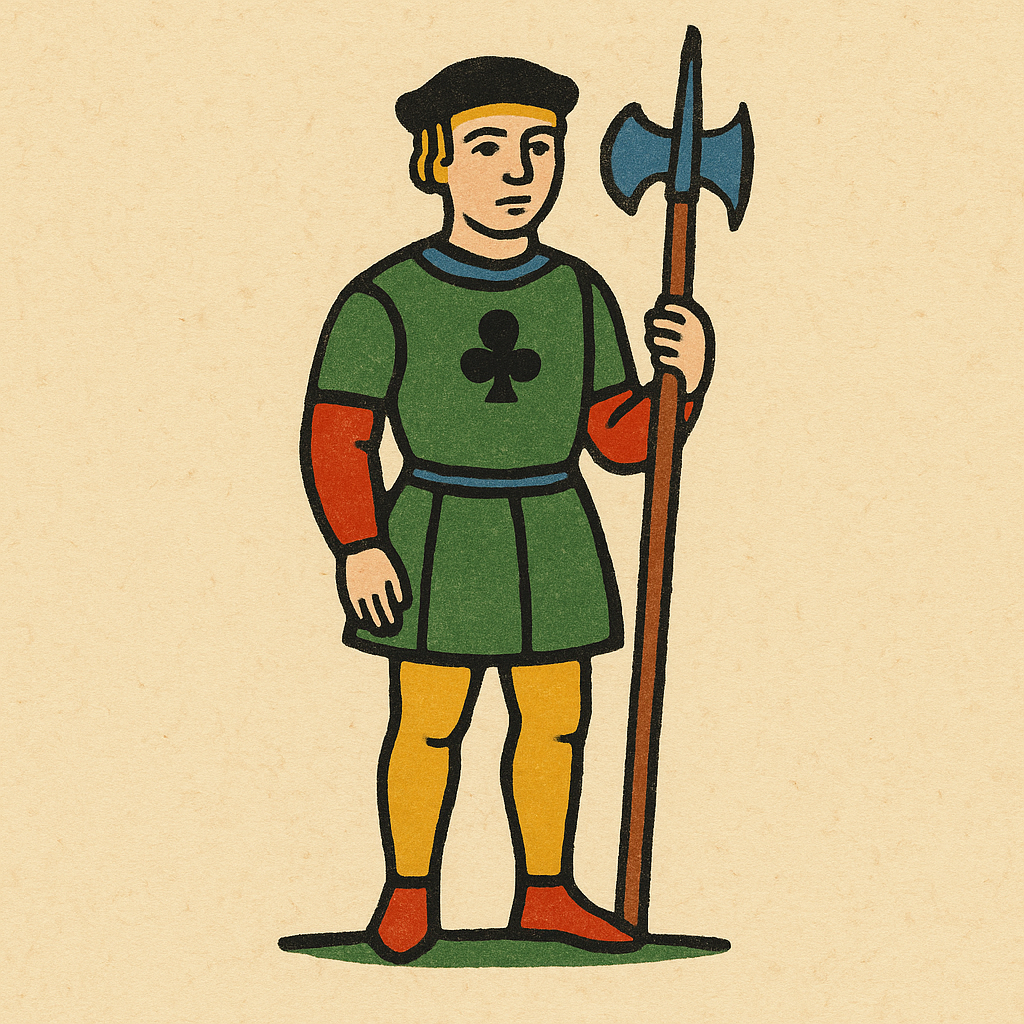
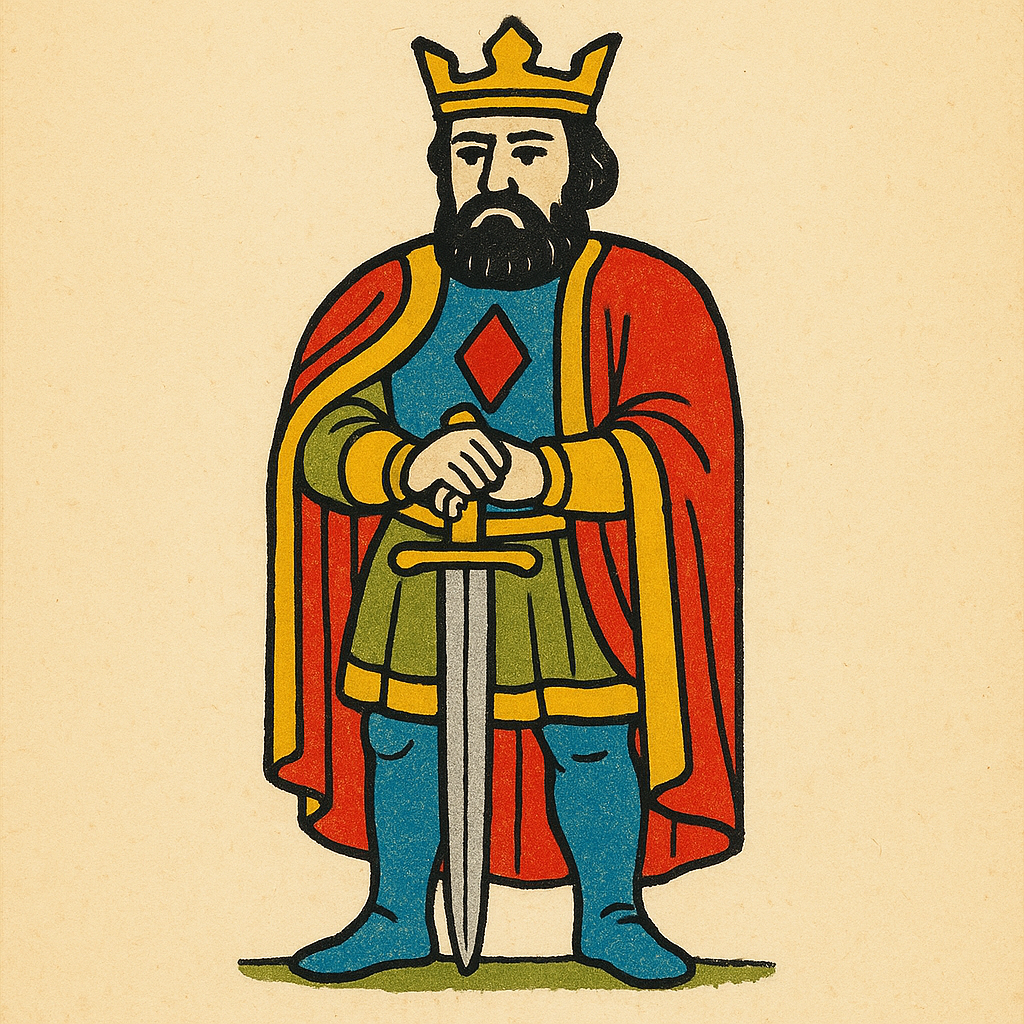
Four Jacks, stacked, are the Superjack — the play the game is named for.
first — what is Superjack?
The fairness of chess. The reads of poker. The drama of Magic — with a deck from the junk drawer.
Two players, twenty life each, identical 40-card decks. No booster packs, no rare cards, no pay-to-win — nothing to buy. Number cards are gems (energy, or burned as a fireball). Face cards take the field as creatures that swing every turn. Stack four Jacks and you get the 8/8 Superjack that tramples anything in the way.
Because both decks are identical, luck evens out and a game is decided by one thing: the commander behind the cards. It's been quietly refined for over ten years, ruling by ruling, by a small loyal following. And it plays online at superjackthegame.com — against a friend, the practice bot, or something you write yourself.

why a bot can play it at all
Every turn is just
picking from a list.
You never have to teach a bot the rulebook. Each turn the server hands it a legal array — every move allowed right now, already priced and validated. The bot's only job is to choose the best one and send it back.
"If your agent can choose an element from an array, it can play."
a demonstration — two commanders
Same deck. Opposite minds.
To see how far a home-made bot could go, we wrote two "choose the best move" brains with completely different instincts and sent them into the same duel.

and then they got better on their own
No coaching. Just self-play.
Each bot ran thousands of games against a frozen copy of itself, changed exactly one thing at a time, and kept only what won a 100-game batch. Two upgrades stuck — and one was a bug hiding in plain sight.
Its fireball code still believed a fireball did 1 damage to a creature. The real number is 2 — enough to kill most blockers. One wrong digit had turned a removal spell into a wasted card for its whole life.
It used to never block — pure forward motion. Now it counts the clock: when it's losing the race it blocks to slow the other side, and burns the one creature in its way. Aggression that finally knows when it's behind.
Two duels of sixty, both to the racer by a hair. The table punishes politeness.
Now build your own commander.
This is the easy part. If you have a coding agent — Claude, Hermes, Codex, anything — you have a Superjack bot in a few minutes. No sign-up, no SDK, no dependencies.
Open the table
Go to superjackthegame.com/play and find the agent prompt.
Hand it to your agent
Paste the prompt in — it connects over a WebSocket and starts dueling. Or curl -O superjackthegame.com/bot.mjs && node bot.mjs.
Teach it to win
Write your own "pick the best move," spar it against itself, and climb the ranked ladder.